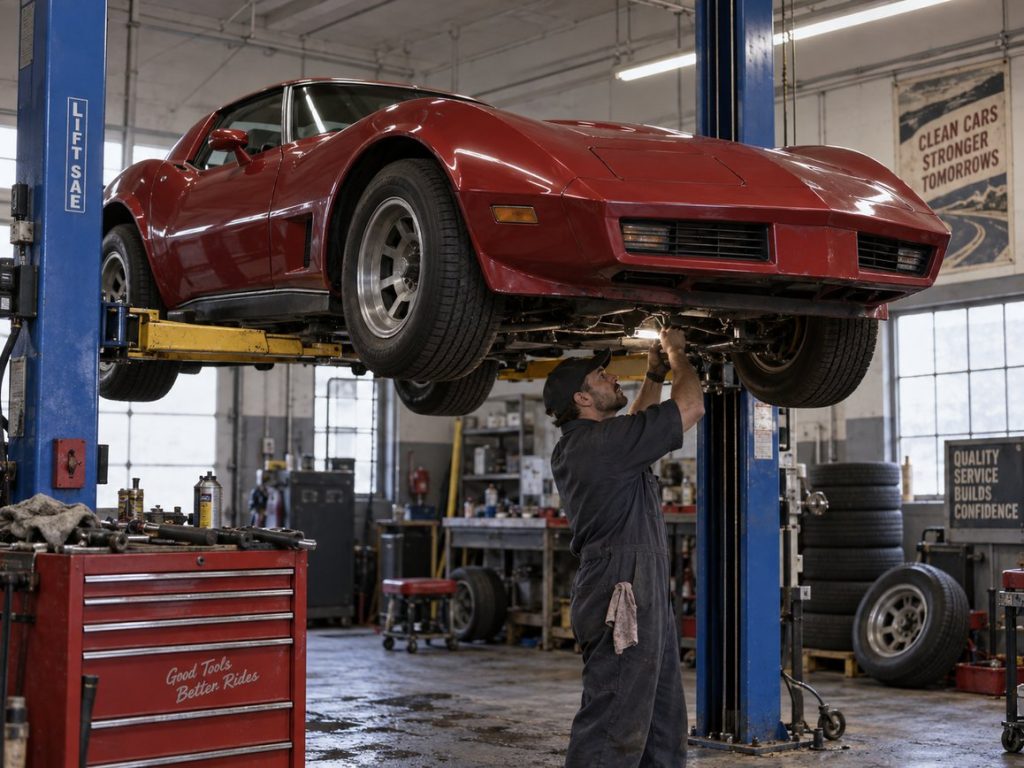
Diagnosis is real work and it deserves paying for. What you want is the number in advance, and a straight answer about whether it comes off the final bill.
What it should cost
| Type of diagnosis | Typical charge |
|---|---|
| Reading a check engine code only | $0–$50, and free at most chain parts stores |
| Check engine light diagnosis | $100–$200 |
| Brake or suspension inspection | Often free, or $50–$100 |
| Electrical fault, per hour | $100–$200 |
| Intermittent fault nobody can reproduce | Billed hourly — agree a cap first |
Most diagnostic charges work out to roughly one hour of the shop’s labor rate, which is why they land where they do. An independent at $110 an hour and a dealer at $180 an hour are both charging “an hour” — they are just different hours.
The question that matters
“What’s the diagnostic charge, and is it credited toward the repair if I have the work done here?”
Ask it on the phone, before you drive over. Both answers are legitimate — plenty of good shops credit it, plenty of good shops do not. What is not legitimate is finding out at the counter.
If it is credited, the diagnosis is effectively free when you go ahead, and costs you the fee if you take the car elsewhere. That is a fair deal. If it is not credited, it is a separate charge on top, and you should factor that in when comparing quotes between shops.
Why “free diagnosis” is not always the bargain
A shop that charges nothing to diagnose has to recover that time somewhere, and the usual place is in the repair. That does not make free-inspection shops dishonest — it is a marketing choice. But it does mean the two things are worth comparing together rather than separately.
It also creates a quiet pressure: an inspection that finds nothing produces no revenue, so free inspections tend to find things. Worth remembering when a no-charge brake check comes back with a $900 recommendation.
Reading a code is not a diagnosis
This is the distinction worth being clear about, because it is where people feel overcharged.
- Pulling the code takes two minutes and a $30 tool. You can do it yourself, and most parts stores do it free.
- Diagnosing the fault means taking that code and working out which of the five or six possible causes is the actual one — live data, wiring checks, sometimes a scope. That is the hour you are paying for, and it is a skill.
Being charged $150 for two minutes with a code reader is the thing to push back on. If the invoice says “diagnosis” and all that happened was a code read, ask what testing was performed. A shop that did real work can tell you.
Capping an open-ended one
Electrical faults, intermittent problems and noises nobody can reproduce are billed by the hour because they genuinely take an unpredictable amount of time. That is reasonable. What is not reasonable is discovering afterwards that it took six hours.
Say this at drop-off:
“Spend up to an hour on it and call me before going any further.”
Completely normal, completely fair, and every decent shop will simply agree. It also gives you a natural decision point rather than a surprise.
If they cannot find it
Sometimes a fault will not show itself. Ask in advance what happens then — some shops waive or reduce the charge if they come up empty, some bill the time regardless. Both positions are defensible; you just want to know which one you are dealing with.
You can help enormously here. Record the noise on your phone. Note exactly when it happens — cold start only, over bumps, when turning, after twenty minutes of driving. A fault the technician can reproduce in five minutes costs a fraction of one they have to hunt for.
What to watch out for
- A part quoted straight off a code with no further testing. The most common way to be sold the wrong repair.
- Diagnostic time billed on top of a job that includes it. Replacing brake pads does not need an hour of diagnosis.
- Being charged again for re-diagnosing a fault that came back after a repair you already paid for. Ask about that when the work is warrantied.
- A vague “diagnostic and inspection” line with no explanation of what was done.
One thing the law is clear about in Illinois: the written estimate has to break out any diagnostic charge separately, so it cannot be quietly folded into a total. See your rights.
A plain-language summary, not legal advice. See the disclaimer.